Atreus
6+ coordinated agents · semantic memory · self-hosted
What it does
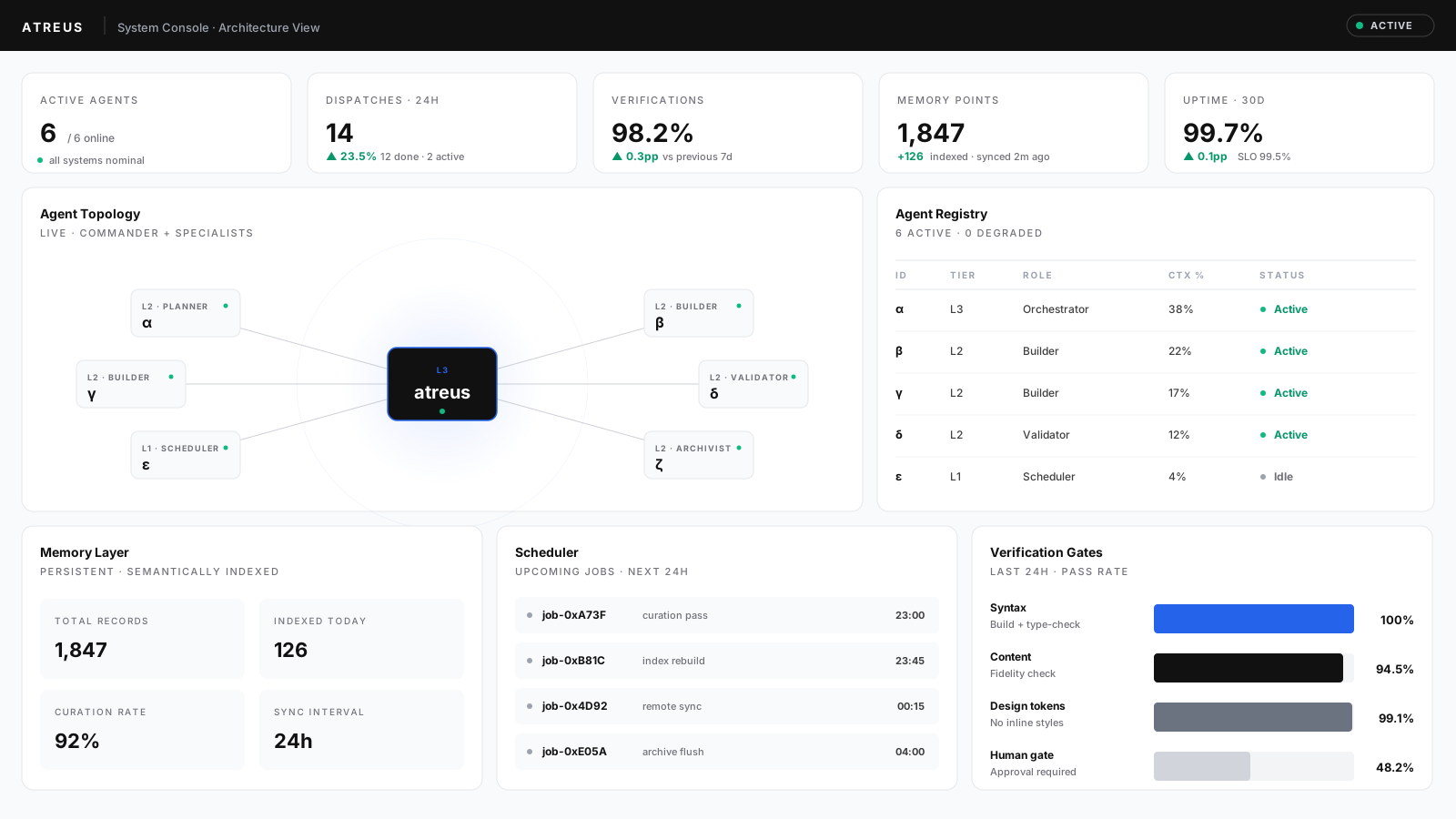
Atreus runs on my own server on top of OpenClaw, and it exists so the execution layer around my projects stops needing me in the room. I describe an outcome over a chat interface and it creates the branch, writes or edits the files, runs the build, checks the result, pushes, and comes back with a preview link for me to approve or send back with notes.
How it is structured
Six specialist agents sit behind one orchestrator, split by job rather than by model: planning, building, validation, scheduling, and archiving. Persistent memory is maintained on a scheduled overnight pass, so the system stays oriented across sessions instead of needing context re-established every time.
The verification gate
The design decision worth keeping is the verification gate. Early on it would report a task complete when it had failed, because a plausible success message is what success usually looks like and nothing was checking. Now nothing counts as done without evidence from the artifact itself: the actual build output, a live check of the deployed page, a grep for the content that should be there. An agent's self-report is not evidence, which is the one lesson from this that transfers to any system where an agent grades its own work.
Key results
- 6+ coordinated agents
- Semantic memory search
- Autonomous web dev pipeline
Stack